
Ornamental Red Pineapple Plant
$63.00
Scientific Name: Ananas bracteatus ‘Red’
Common Names: Ornamental Red Pineapple Plant
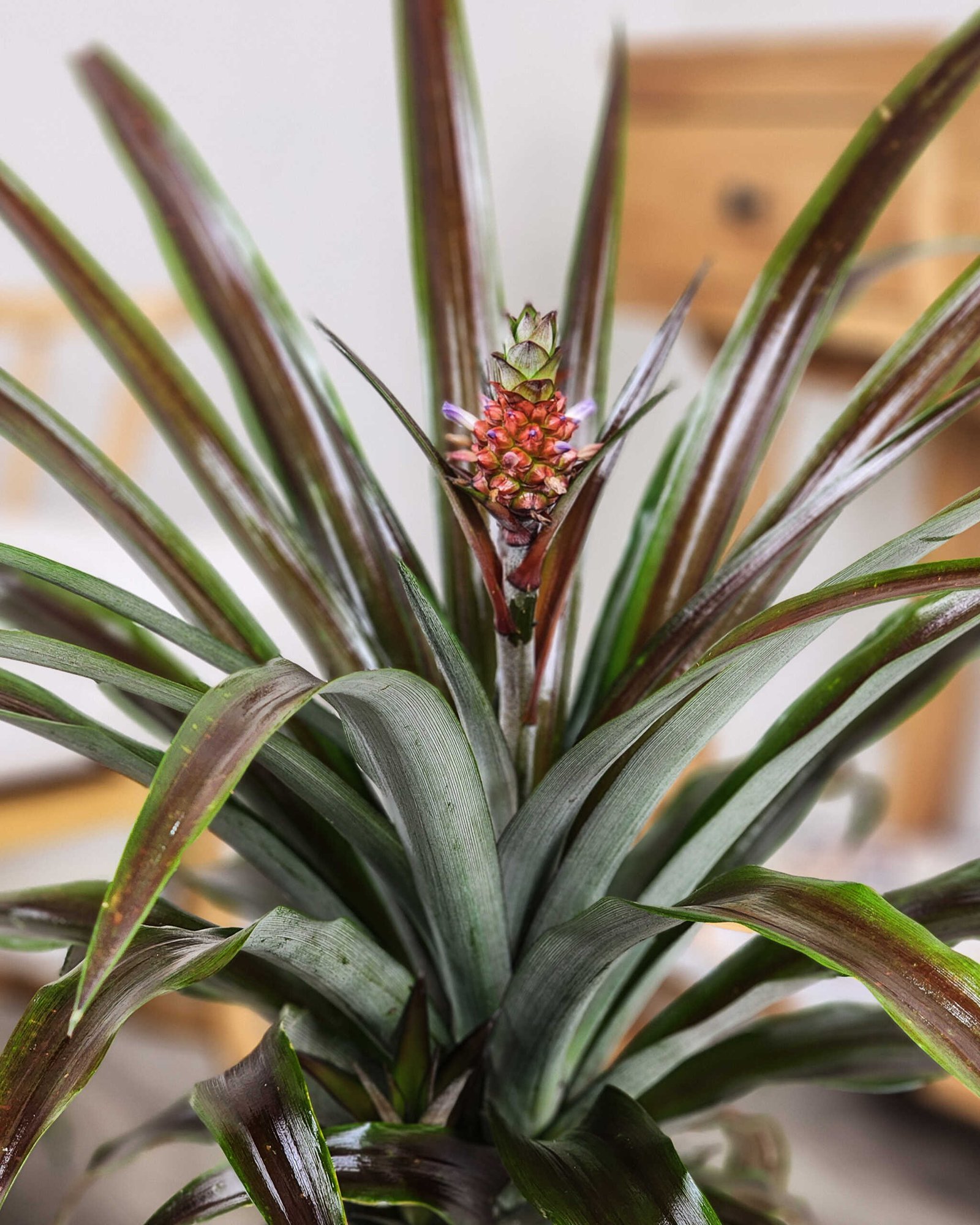
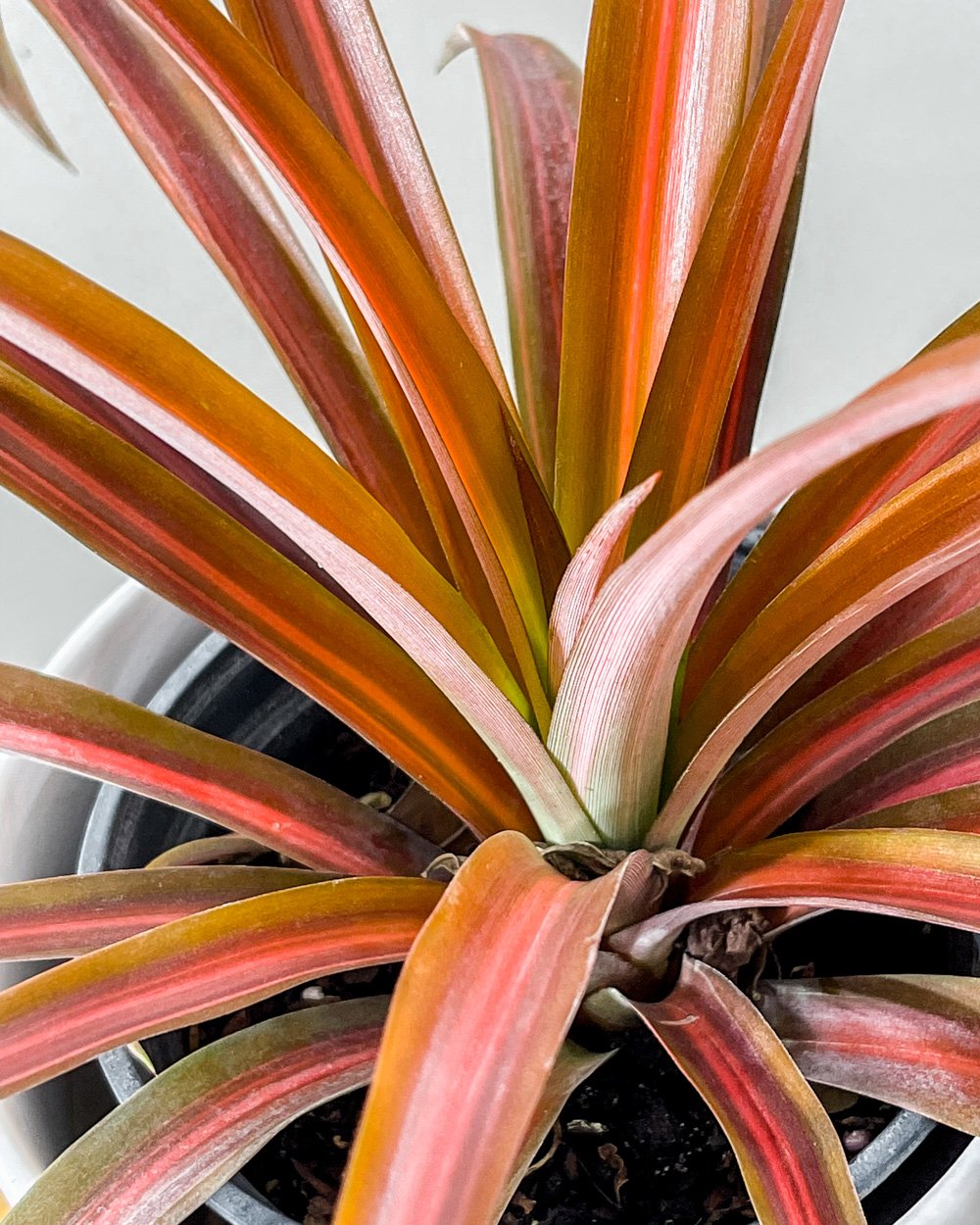
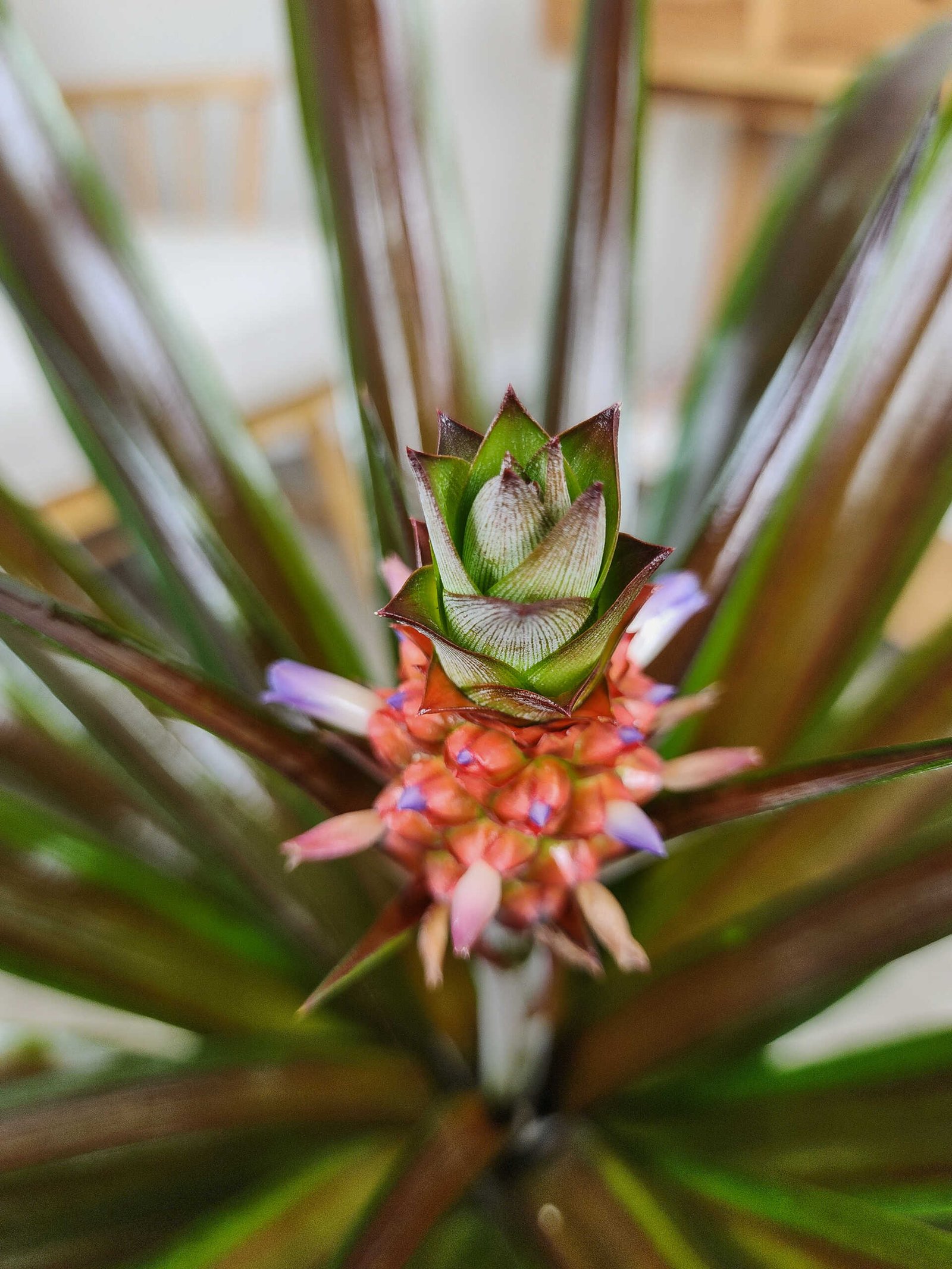
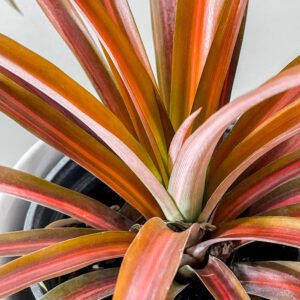
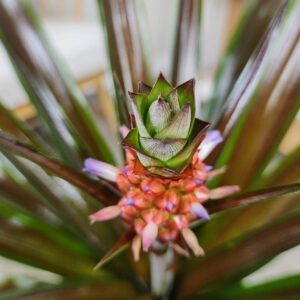
Overview: The Ornamental Red Pineapple Plant is a striking tropical beauty that adds vibrant color and exotic flair to any indoor or outdoor setting. This variant of the pineapple family is cherished not for its fruit but for its stunning foliage and decorative pineapple. The leaves are a tapestry of green, cream, and pink hues, with sharp edges and a rigid structure, forming a rosette that culminates in a bright red pineapple fruit at its center. The fruit, although not typically consumed, remains a dazzling focal point, making this plant a conversation starter.
Thriving in warm, humid conditions, the Ornamental Red Pineapple Plant prefers bright, indirect sunlight and well-draining soil. It’s relatively low maintenance, requiring minimal water, making it a great option for gardeners looking to add a tropical touch with minimal fuss.
The Perfect Plant to Fit Your Lifestyle
Ornamental Red Pineapple (Ananas bracteatus ‘Tricolor’)
If you’re looking for a plant that makes a bold statement without demanding constant attention, the Ornamental Red Pineapple, scientifically known as Ananas bracteatus ‘Tricolor’, is an excellent choice.
This tropical beauty is admired for its dramatic foliage. The long, arching leaves display a stunning mix of green, cream, and soft pink stripes. As the plant matures, a bright red ornamental pineapple forms in the center, creating a striking focal point.
While the fruit is technically edible, it is small, fibrous, and mainly grown for decorative purposes rather than flavor. Its true value lies in its vibrant appearance.
Caring for Your Red Pineapple Plant
This plant thrives in warm, humid conditions and adapts well to both outdoor gardens and bright indoor spaces. With proper light, drainage, and moderate watering, it remains healthy and colorful year-round.
It is relatively low-maintenance once established, making it suitable for both beginners and experienced plant enthusiasts.
Light Requirements
Red Pineapple Plants grow best in bright, indirect light.
For outdoor placement:
-
Provide partial shade in hot climates
-
Avoid intense midday sun to prevent leaf burn
For indoor placement:
-
Position near a south- or east-facing window
-
Ensure strong natural light throughout the day
Adequate light enhances the pink variegation. Low light may cause fading of color and slower growth.
Watering
These plants prefer evenly moist soil but are moderately drought-tolerant once mature.
Water when:
-
The top inch of soil feels dry
-
The plant is actively growing
Water thoroughly, allowing excess moisture to drain.
Reduce watering during fall and winter when growth slows.
Overwatering is the most common issue and can lead to root rot.
Humidity and Temperature
As a tropical plant, it prefers:
-
Warm temperatures between 65–85°F (18–29°C)
-
Moderate to high humidity
If grown indoors in dry conditions:
-
Use a humidifier
-
Place a humidity tray nearby
-
Avoid placing near heating vents
Protect the plant from cold drafts and frost.
Soil and Drainage
Good drainage is essential.
Use:
-
A sandy, well-draining soil mix
-
Or standard potting soil amended with perlite or vermiculite
Containers must have drainage holes to prevent water buildup around the roots.
Healthy root systems depend on proper airflow and drainage.
Fertilizing
Feed during the growing season (spring through summer).
Use:
-
A balanced, slow-release fertilizer
-
Apply every few months
-
Choose a potassium-rich formula to support fruit development
Reduce fertilizing during fall and winter when growth naturally slows.
Avoid excessive fertilizer, as it may cause leaf damage.
Pruning and Maintenance
Pruning needs are minimal.
Simply:
-
Remove dead or damaged leaves
-
Trim any discolored foliage
After fruiting, the main plant will gradually decline. This is natural.
Before it dies back, it produces small offsets called “pups,” which can be used to grow new plants.
Propagation
The easiest way to propagate is through pups.
When pups reach about 6 inches tall:
-
Carefully separate them from the mother plant
-
Use a clean, sharp knife
-
Allow the cut area to dry briefly
-
Plant in well-draining soil
With proper care, new plants establish quickly.
Pest and Disease Management
Red Pineapple Plants are generally resistant but may occasionally attract:
-
Mealybugs
-
Scale insects
-
Spider mites
Inspect leaves regularly and treat early with neem oil or insecticidal soap if needed.
Most disease problems result from poor drainage or overwatering. Ensuring proper airflow and soil conditions prevents most issues.
Harvesting the Ornamental Fruit
The red pineapple typically develops 18–24 months after planting.
Harvest when:
-
The fruit turns deep red
-
A light, sweet scent is noticeable
Use a sharp knife to cut the fruit cleanly from the stem.
While decorative rather than culinary, the fruit adds striking tropical appeal.
| Pot Size | Baby, Small, Medium, Large, Extra Large |
|---|---|
| Zone | 11a |
| Sun Exposure | Partial Sun |
| Mature Height | 2 ft – 3 ft |
| Spacing | 18 in – 36 in |
Related products
Cactus and Succulents
Cactus and Succulents
Cactus and Succulents
Cactus and Succulents
Cactus and Succulents
Cactus and Succulents
Cactus and Succulents
Cactus and Succulents