-
×
 Philodendron Caramel Marble Plant Well Rooted Mother Plant
1 × $399.00
Philodendron Caramel Marble Plant Well Rooted Mother Plant
1 × $399.00 -
×
 Extreme Rare Philodendron ROF Pink Ring Of Fire House Plant Aroid Tropical Indoor Outdoor Free Phytosanitary certificate
1 × $309.00
Extreme Rare Philodendron ROF Pink Ring Of Fire House Plant Aroid Tropical Indoor Outdoor Free Phytosanitary certificate
1 × $309.00 -
×
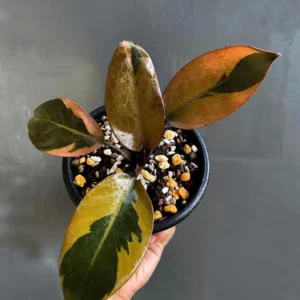 Philodendron Black Cardinal Variegated
1 × $324.00
Philodendron Black Cardinal Variegated
1 × $324.00 -
×
 Philodendron Caramel Marble Variegated
1 × $252.00
Philodendron Caramel Marble Variegated
1 × $252.00 -
×
 Philodendron Caramel Marble Plant Well Rooted
1 × $300.00
Philodendron Caramel Marble Plant Well Rooted
1 × $300.00 -
×
 1x Philodendron caramel marble variegated
1 × $300.00
1x Philodendron caramel marble variegated
1 × $300.00 -
×
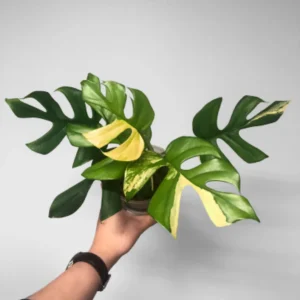 Rhaphidophora Tetrasperma Aurea Variegated
1 × $320.00
Rhaphidophora Tetrasperma Aurea Variegated
1 × $320.00 -
×
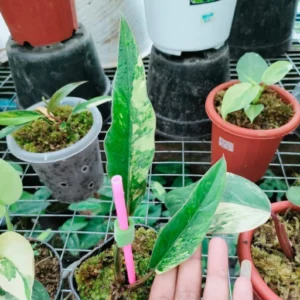 Philodendron Caramel Marble variegated+Bipennifolium variegated for Rani
1 × $350.00
Philodendron Caramel Marble variegated+Bipennifolium variegated for Rani
1 × $350.00
Blog
What are the best environmental conditions to maintain variegation in rare indoor plants?

06
Apr
Apr
🌿 Optimal Environmental Conditions for Maintaining Variegation in Rare Indoor Plants
💡 1. LIGHT — The Single Most Important Factor
Light is the number one environmental driver of variegation stability. Getting this right matters more than any other condition.
Why Light Is Critical
- Variegated cells lack chlorophyll and cannot photosynthesize efficiently
- In low light, the plant compensates by producing more chlorophyll = more green cells
- Consistently adequate light reduces the plant’s biological pressure to revert
- Too much direct light burns white and cream sections irreversibly
Ideal Light Conditions
| Light Type | Suitability | Notes |
|---|---|---|
| Bright indirect light | ✅ Perfect | 1–2 meters from east/west window |
| Filtered direct morning sun | ✅ Good | East-facing windows ideal |
| Grow lights (full spectrum) | ✅ Excellent | Best for consistent year-round results |
| Low/dim indirect light | ❌ Dangerous | Triggers reversion rapidly |
| Harsh afternoon direct sun | ❌ Dangerous | Burns white variegated sections |
| North-facing window only | ❌ Insufficient | Not enough light for rare variegated plants |
Grow Light Recommendations
- Use full spectrum LED grow lights for consistent year-round lighting
- Position lights 30–60 cm above the plant
- Run on a timer for 12–14 hours daily
- Particularly important in winter when natural light drops significantly
- Best picks: Spider Farmer, Mars Hydro, or any quality full-spectrum LED panel
Light Intensity Guide
| Plant | Ideal Light (Foot Candles) | Ideal Light (Lux) |
|---|---|---|
| Monstera Thai Constellation | 200–400 fc | 2,000–4,000 lux |
| Monstera Albo Variegata | 200–400 fc | 2,000–4,000 lux |
| Philodendron Pink Princess | 150–300 fc | 1,500–3,000 lux |
| Scindapsus Pictus | 100–250 fc | 1,000–2,500 lux |
| Variegated Rubber Plant | 200–400 fc | 2,000–4,000 lux |
💡 Invest in a light meter app (Photone is excellent and free) to measure actual light levels at your plant’s location — guessing is one of the most common mistakes collectors make
💧 2. HUMIDITY — Protecting Delicate Variegated Tissue
Why Humidity Matters for Variegation
- White and cream sections have thinner, more fragile cell walls than green tissue
- Low humidity causes these sections to desiccate and brown at the edges first
- High consistent humidity keeps all cell types — variegated and green — equally hydrated
- Proper humidity reduces plant stress which is a known reversion trigger
Ideal Humidity Ranges
| Plant Type | Minimum | Ideal | Maximum |
|---|---|---|---|
| Monstera varieties | 50% | 65–80% | 90% |
| Philodendron varieties | 50% | 60–75% | 85% |
| Scindapsus varieties | 40% | 55–70% | 80% |
| Aglaonema varieties | 40% | 50–65% | 80% |
| Tradescantia Nanouk | 40% | 50–60% | 75% |
Best Humidity Methods Ranked
| Method | Effectiveness | Cost | Notes |
|---|---|---|---|
| Ultrasonic humidifier | ✅ Excellent | Medium | Best overall solution |
| Warm mist humidifier | ✅ Excellent | Medium | Good for cold climates |
| Greenhouse cabinet | ✅ Outstanding | High | Best for rare collections |
| Humidity tray with pebbles | ⚠️ Limited | Low | Only raises by 5–10% |
| Grouping plants together | ⚠️ Moderate | Free | Helpful but insufficient alone |
| Regular misting | ❌ Not recommended | Free | Creates fungal issues, avoid on white sections |
⚠️ Never mist directly onto white or cream variegated sections — water sitting on these areas without adequate airflow causes brown rot spots and fungal infections
🌡️ 3. TEMPERATURE — Stability Over Everything
Why Temperature Stability Matters
- Variegated plants are more temperature sensitive than their green counterparts
- Sudden temperature drops trigger cellular stress which can accelerate reversion
- Cold drafts cause immediate damage to delicate white tissue sections
- Heat spikes cause rapid moisture loss from variegated sections first
Ideal Temperature Ranges
| Condition | Temperature Range |
|---|---|
| Optimal daytime | 18–27°C (65–80°F) |
| Acceptable nighttime drop | 15–18°C (59–65°F) |
| Danger zone (cold) | Below 13°C (55°F) |
| Danger zone (heat) | Above 35°C (95°F) |
| Maximum safe fluctuation | 5–7°C (9–12°F) daily |
Temperature Stability Tips
- Keep plants away from exterior walls in winter — these get cold at night
- Never place near air conditioning vents — cold blasts damage variegated tissue
- Avoid placement near heating vents — hot dry air desiccates white sections rapidly
- Use a min/max thermometer to track actual temperature fluctuations in your space
- In cold climates, consider a heat mat under the pot during winter months
🌬️ 4. AIRFLOW — The Overlooked Essential
Why Airflow Matters
- Good airflow prevents fungal issues that disproportionately affect white variegated sections
- Stagnant air around high-humidity setups creates ideal conditions for mold and rot
- Gentle airflow strengthens stems and overall plant structure
- Helps regulate leaf surface temperature preventing heat stress on white sections
Ideal Airflow Setup
- Use a small oscillating fan on the lowest setting near your plant collection
- Never point fan directly at plants — indirect gentle circulation is ideal
- Run fan for 8–12 hours daily minimum
- Especially important inside humidity tents or greenhouse cabinets
- Ensure good room ventilation overall — open windows when weather permits
🌱 5. SOIL & ROOT ENVIRONMENT
Ideal Soil Composition for Variegated Plants
| Component | Proportion | Purpose |
|---|---|---|
| Coco coir | 30% | Moisture retention without compaction |
| Perlite | 30% | Drainage and aeration |
| Orchid bark | 25% | Chunky structure, root aeration |
| Worm castings | 10% | Gentle slow-release nutrients |
| Activated charcoal | 5% | Prevents bacterial buildup |
Why This Mix Works for Variegated Plants
- Variegated plants are slower growing and use less water than green plants
- They need faster draining soil to prevent root rot
- Chunky mixes provide the oxygen-rich root environment they thrive in
- Worm castings provide gentle nutrition without nitrogen overload
Pot Selection
- Terracotta pots are excellent — allow airflow through walls, prevent overwatering
- Clear nursery pots let you monitor root health and moisture levels
- Avoid glazed ceramic without drainage holes — water accumulates and causes rot
- Always ensure multiple drainage holes regardless of pot type
☀️ 6. SEASONAL ADJUSTMENTS
Variegated plants need different care as seasons change:
Spring & Summer
- Maximum bright indirect light exposure
- Humidity maintained at upper ideal range
- Regular watering and light fertilization schedule
- Monitor for pest activity which peaks in warm months
- Ideal time for propagation and repotting
Autumn
- Begin reducing fertilization frequency
- Monitor light levels as days shorten — consider supplementing with grow lights
- Watch for temperature drops near windows at night
- Slow down watering as growth rate decreases
Winter
- Most critical season for variegation stability
- Supplement with grow lights for 12–14 hours daily
- Maintain humidity carefully — indoor heating drastically dries air
- Stop or minimize fertilization
- Move plants away from cold windowsills
- Watch for reversion signs as low light stresses the plant most in this season
📊 Complete Environmental Condition Summary
| Condition | Ideal Range | Critical Minimum | What Happens if Wrong |
|---|---|---|---|
| Light | 200–400 fc / 2,000–4,000 lux | 150 fc / 1,500 lux | Reversion to green |
| Humidity | 60–80% | 50% | Brown edges, tissue damage |
| Temperature | 18–27°C / 65–80°F | 13°C / 55°F | Cellular stress, reversion |
| Airflow | Gentle indirect circulation | Some airflow always | Fungal issues, rot |
| Soil pH | 5.5–6.5 | 5.0 | Nutrient lockout |
| Watering | When top 2–3 cm dry | Never waterlogged | Root rot, stress |
🏆 The Perfect Environment Formula
Bright consistent indirect light + 65–80% humidity + stable temperature between 18–27°C + gentle airflow + fast-draining aroid soil + minimal stress = maximum variegation stability and contrast.
🌟 Quick Wins You Can Implement Today
- Download Photone — measure your actual light levels right now
- Buy a hygrometer — know your real humidity (under $10)
- Set up a small fan — gentle airflow costs nothing if you already own one
- Move plants away from vents — immediate improvement in stability
- Switch to a chunky aroid mix — next time you repot
- Add a humidifier — single biggest upgrade for rare variegated collections
